
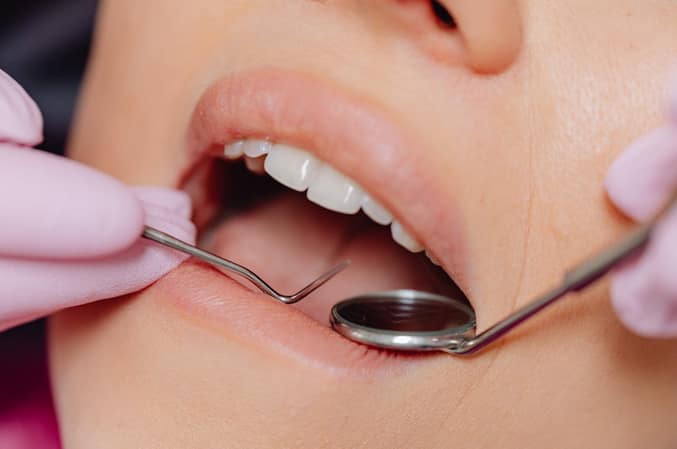
Plaque is something everyone encounters, but few realize the long-term impact it can have on oral health. Dentist in Bexley can explain how this sticky film of bacteria builds up on teeth, leading to issues like cavities, gum inflammation, and unpleasant breath if not addressed promptly. Regular brushing and flossing go a long way, but professional care ensures plaque doesn’t harden into tartar, which is much harder to remove. By understanding how plaque develops and taking preventive measures, you can protect your teeth and gums, keeping your smile healthier and brighter for years to come.
What Exactly Is Plaque?
Plaque is a soft, colorless film of bacteria that constantly builds up on your teeth. Every time you eat or drink, the bacteria in plaque feed on the leftovers. As they break down these particles, they produce acids that attack your tooth enamel. Because plaque is sticky, it clings to the surfaces of your teeth and gums, creating a perfect environment for bacteria to thrive. If not removed through brushing and flossing, plaque hardens into tartar, which is much harder to get rid of.
How Plaque Leads to Cavities
The acids produced by plaque are relentless. They gradually wear down enamel, which is your teeth’s natural shield. Once the enamel weakens, tiny holes, better known as cavities, begin to form. These cavities can cause sensitivity, pain, and eventually bigger dental problems if untreated. Kids and adults alike are vulnerable, and sugary snacks only accelerate the process. Regular dental checkups help catch cavities early, but preventing plaque buildup in the first place is always the smarter strategy.
Plaque and Gum Health

Plaque doesn’t stop at your teeth—it also affects your gums. If plaque collects along the gumline, it can lead to gingivitis, the earliest stage of gum disease. Symptoms like redness, swelling, and bleeding when brushing are early warning signs. Left unchecked, plaque can progress to periodontitis, a more serious condition that damages the supporting structures of your teeth. This not only threatens your smile but can also impact your overall health, as gum disease has been linked to other systemic issues.
Bad Breath and Other Issues
That less-than-fresh breath you sometimes notice? Plaque could be to blame. The bacteria in plaque produce unpleasant odors, making bad breath more persistent than a simple garlic meal effect. Beyond odor, plaque buildup can also cause staining and make your teeth look dull. Over time, untreated plaque contributes to tooth loss, which affects not just appearance but also chewing and speech. In short, it’s a problem that touches nearly every aspect of oral health.
Ways to Keep Plaque Under Control
The good news is that plaque is manageable with consistent care. Brushing twice a day with fluoride toothpaste, flossing daily, and rinsing with mouthwash are simple habits that make a huge difference. Limiting sugary snacks and drinks also keeps bacteria from having too much fuel. Professional cleanings twice a year are essential for removing tartar that brushing can’t tackle. By staying ahead of plaque, you can protect your teeth, gums, and overall smile for the long haul.
Plaque may be invisible, but its effects on your teeth and gums are anything but. From cavities and gum disease to bad breath and tooth loss, this sticky film has far-reaching consequences if ignored. The key to winning the battle against plaque is daily care paired with regular dental visits. Think of brushing and flossing as small investments that pay off with a healthier, brighter smile. By keeping plaque in check, you’re not just maintaining your teeth—you’re safeguarding your confidence and long-term oral health